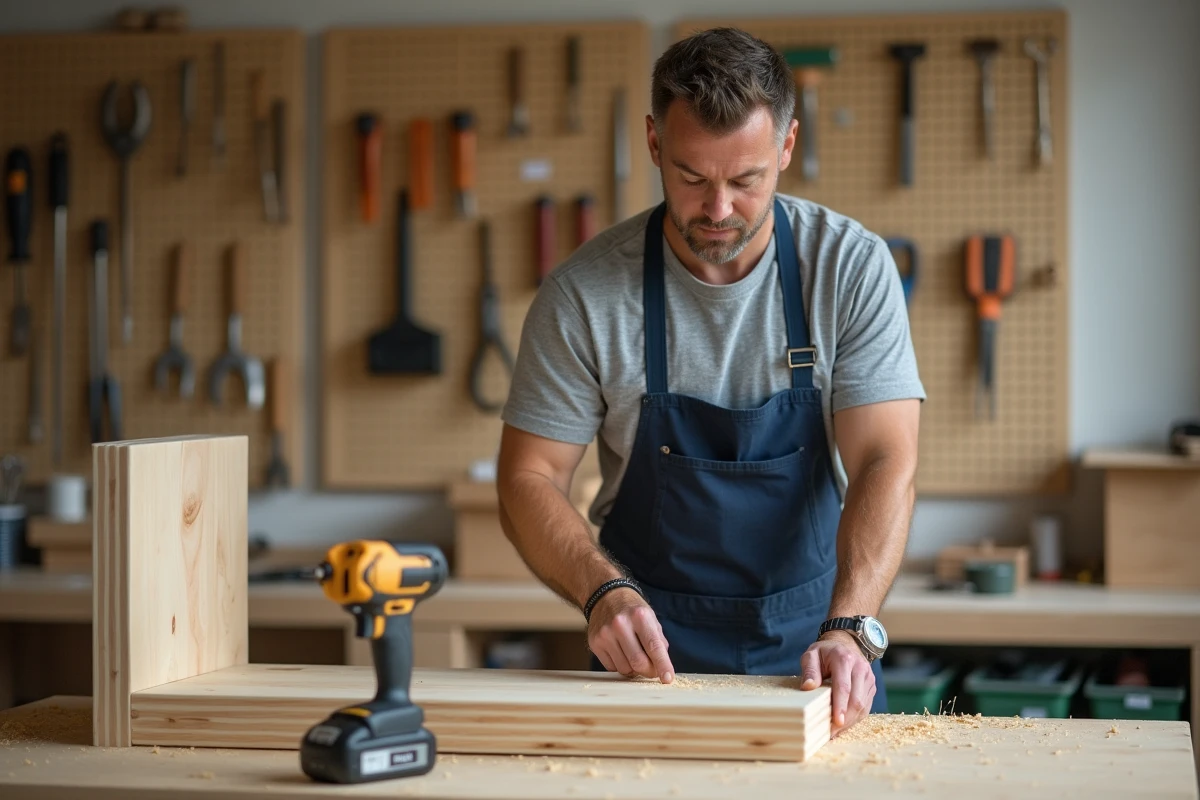
A plaster wall to repair, a composite terrace to install, an electrical panel to bring up to code: DIY projects have not disappeared in 2024, but the way to approach them is changing rapidly. The DIY innovations of 2024 are no longer just about a new color for a drill: they relate to how we plan, tool up, and finance a project.
Modular tools and repairability: what’s changing on the workbench
We’ve all experienced the drill with a chuck that fails after two years, forcing us to buy a whole new unit. Since 2023-2024, European manufacturers have been marketing ranges of modular tools where wear parts (motors, batteries, chucks) can be replaced individually. The principle is simple: we change the faulty part, not the entire tool.
This shift towards repairability is part of a broader movement of circular economy applied to DIY equipment. Some manufacturers already offer refurbishment programs with trade-ins for old tools. For regular DIYers, this means a lower usage cost over time, even if the initial purchase price remains comparable to that of a traditional tool.
Feedback varies on this point depending on the brands and ranges, but the principle of modularity particularly appeals to professionals who use their tools daily. We closely follow the news on Ben Le Bricoleur to spot the references that truly deliver on their promises in the field.
Tool rental and subscription: the “tool-as-a-service” model in France
Buying a miter saw to install ten meters of baseboards, then letting it sit in the garage for three years: the classic scenario. The short-term rental and subscription model for tools is gaining ground, inspired by what Home Depot has structured in the United States since 2023 with offers including maintenance and insurance.

In France, the concept is less developed, but several brands and platforms are testing comparable formulas. The idea is not just to reduce the bill: renting a specialized tool avoids storing bulky equipment and allows access to newer machines, often more efficient than those one would buy for a similar budget.
This model is particularly suited for occasional renovation projects. When renovating a bathroom or insulating an attic, specific tools are needed for just a few days. Here are the cases where renting makes perfect sense:
- Thermal or pneumatic tools (industrial heat gun, framing nailer) that are used once or twice a year at most
- Heavy machines like concrete mixers, floor sanders, or wide belt sanders, which pose transport and storage issues in an apartment
- Diagnostic tools (thermal camera, moisture detector) useful in the early stages of an energy renovation project to target priority work
AI assistants for planning DIY projects
Lowe’s, the American chain, tested and then enhanced in 2024 a tool called “Project Planner” that automatically generates material lists, cutting plans, and assembly sequences based on a project description or photos of the room. The AI assistant transforms a vague idea into an actionable shopping list.
This type of AI-guided configuration is starting to spread among other players, including online DIY pure players. For the French DIYer preparing a terrace or partition project, the gain is mainly in the preparation phase: fewer trips to the store, fewer materials purchased in excess.
The interest is real for complex renovation projects where the supply list exceeds twenty references. Time is saved on calculating quantities of screws, battens, or insulating panels. However, these tools do not replace a professional’s diagnosis when it comes to load-bearing structures or electrical compliance.
Energy renovation and bio-based materials: projects that withstand the downturn
While overall sales are declining, maintenance, repair, and energy renovation projects maintain their level. The French have not stopped DIYing: they are focusing their spending on what is perceived as necessary rather than on beautification or comfort.
Insulation, replacement of joinery, and installation of more efficient heating systems remain active areas. Bio-based materials (wood wool, cellulose wadding, hemp) are gaining market share in DIY superstores, driven by regulatory requirements on the thermal performance of housing.
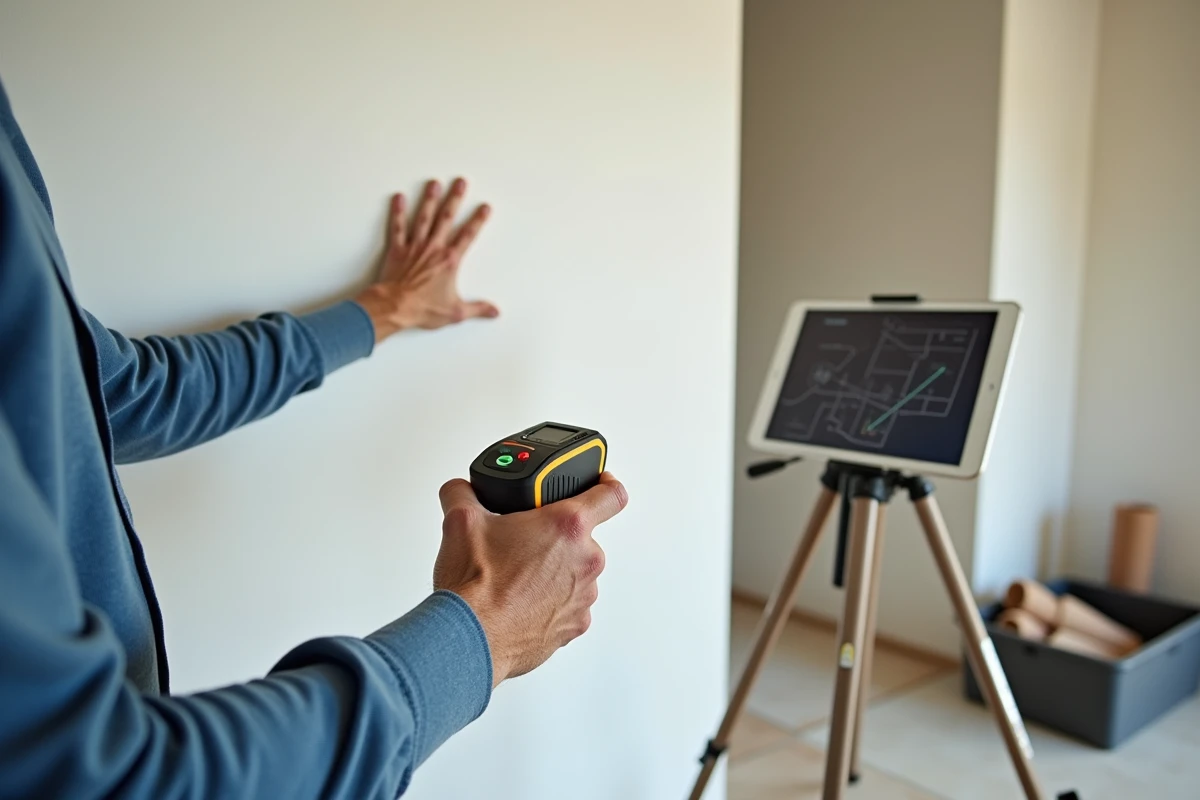
Consumables related to these projects (technical adhesives, vapor barrier membranes, framing connectors) follow the same trend. There is also a growing interest in photovoltaic self-installation kits for roofs or facades, although their implementation requires a minimum of electrical skills.
- Insulating lost attics remains the most accessible energy renovation project for a savvy DIYer, with a quick return on investment in heating savings
- Plug-and-play solar panels for balconies are multiplying in catalogs, targeting renters and co-owners
- Low environmental impact paints and coatings (VOC-free, lime-based, or clay-based) are gradually replacing traditional references in several stores
DIY market in France: a more thoughtful purchasing context
The DIY market is going through a phase of caution, with consumers postponing spending perceived as non-urgent. The old real estate market, long a driver of renovation projects after purchase, remains subdued.
This contraction is pushing brands to strengthen in-store advice and develop hybrid formats between physical sales and digital tools. The physical store remains the dominant channel for DIY in France, but the purchasing journey increasingly often begins online, through the search for a tutorial or the configuration of a project.
The DIY trends of 2024 outline a sector that is professionalizing in its tools and services while adapting to tighter budgets. The modularity of tools, occasional rental, and AI-assisted planning are not gimmicks: they are direct responses to the current economic constraint. Energy renovation projects, on the other hand, will continue to drive the market as long as the French housing stock remains so energy-intensive.