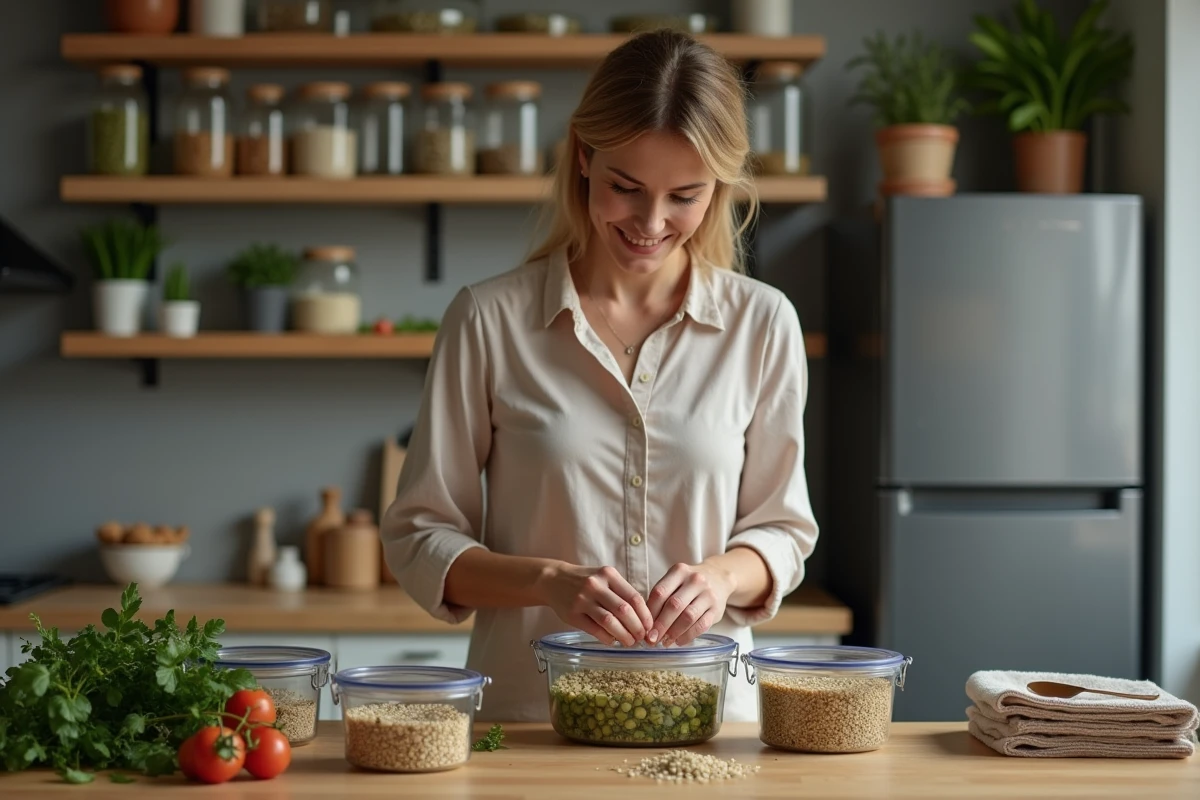
In the silent battle of temperatures, industrial tabbouleh is far from just a simple side dish. Its specific composition, a blend of semolina, finely chopped vegetables, and vibrant herbs, makes it both resilient and fragile when faced with freezing. Brands sometimes sound the alarm: beware, the texture and freshness will not survive entirely. However, there are precise techniques to limit losses and adapt the process to the very nature of the dish. It’s all about rigor: adapting the method to the recipe, following the steps without improvisation, and ensuring a result that holds up both in taste and food safety.
Freezing industrial tabbouleh: a good idea or a risk for quality?
When it comes to the freezer, industrial tabbouleh is not on the same level as its homemade counterpart. Its ingredient list, often enriched with additives and stabilizers, offers it better resistance to the assaults of cold. This studied composition allows for extended preservation while maintaining constant vigilance over food safety. While the homemade version lasts three days in the fridge, the industrial one retains its freshness for up to five days, unopened. But to exceed this threshold, freezing becomes a seriously considered option.
However, freezing industrial tabbouleh safely requires a certain discipline. Water-rich vegetables, such as tomatoes and cucumbers, do not react well to freezing, losing their original structure. Fresh herbs, on the other hand, see their fragrance fade and their texture degrade. In contrast, semolina or bulgur, the pillars of tabbouleh, withstand this treatment well. Some professionals even recommend freezing just the base, then adding vegetables and fresh herbs after thawing, for a regained freshness.
Some precautions are necessary to preserve the product:
- Strict adherence to storage times: two to three months maximum in the freezer.
- Use of a sealed container to avoid contamination from other odors or foods.
- Clear indication of the freezing date on each portion, for total tracking control.
- Thawing exclusively in the refrigerator, never at room temperature, to limit any microbial risk.
What effects on texture and taste after freezing?
Industrial tabbouleh, once frozen, does not emerge unscathed. The texture and flavor of the dish evolve notably. The base, whether semolina or bulgur, comes out with little alteration: these elements, not waterlogged, maintain their structure. However, water-rich vegetables quickly show their limits. Tomatoes and cucumbers, after thawing, release a quantity of water that dilutes the chewiness and gives a bland or watery impression.
The fresh herbs also do not fare well in this operation. Parsley and mint lose some of their intensity, their leaves become limp, and their fragrance diminishes. Some prefer to prepare chopped herbs, preserved in a bit of olive oil, before freezing, a trick to better preserve aroma and color.
In terms of taste, industrial tabbouleh, bolstered by its additives, withstands the test better than the homemade version. However, the initial freshness fades, flavors blend, and the dish loses its definition. To regain a satisfying experience, it’s best to freeze the semolina alone and assemble vegetables and fresh herbs at the last moment. This choice allows for the best of both worlds: the convenience of the freezer and the freshness of homemade.
Practical tips for freezing and thawing tabbouleh safely
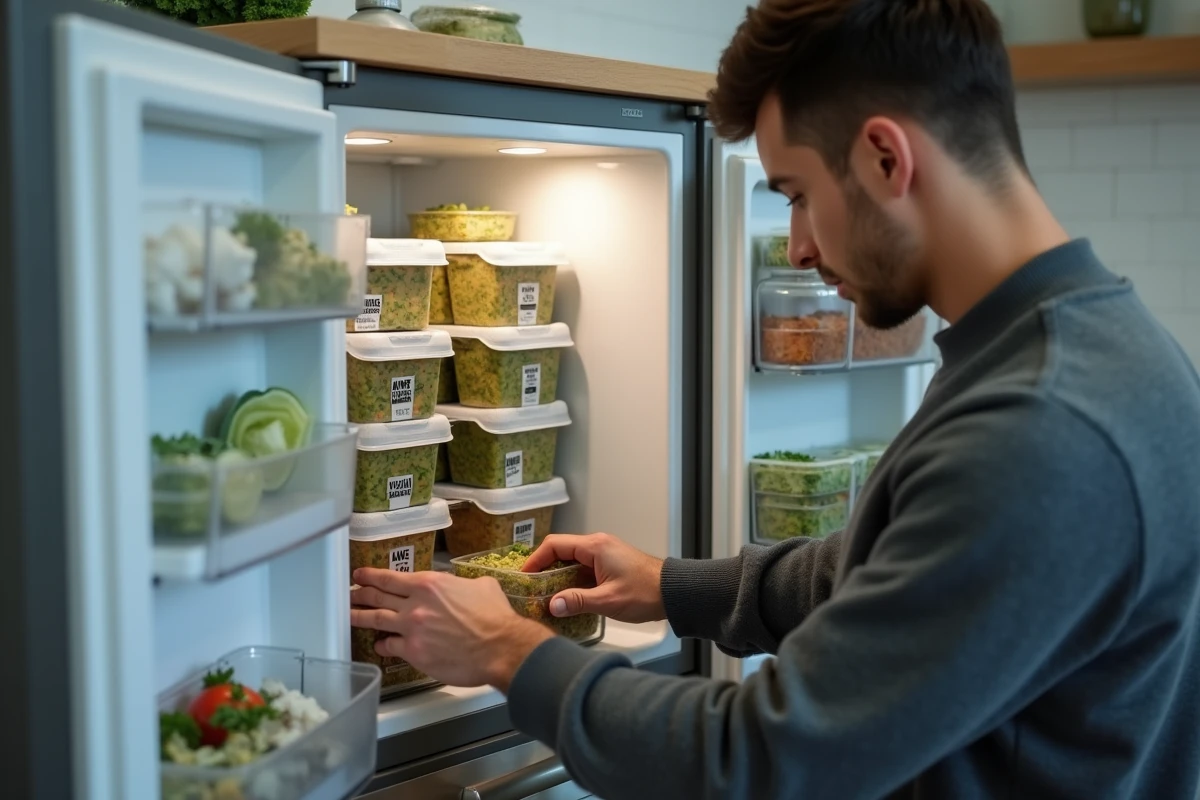
A few simple actions are enough to limit risks and best preserve industrial tabbouleh in the freezer. First of all, let it cool completely before placing it in the cold: this prevents the formation of crystals that damage the texture. Use a perfectly clean, dry, and well-sealed container to avoid any intrusion of odors or bacteria from elsewhere.
Portion management is also an asset:
- Cut the tabbouleh into individual portions before freezing, so you only take out the desired amount each time.
- Don’t forget to indicate the freezing date on each container.
- Adhere to the maximum time limit of two to three months, beyond which the tabbouleh significantly loses quality.
Thawing should be done slowly, in the refrigerator, over twelve to twenty-four hours depending on the quantity. Avoid room temperature, where bacteria multiply rapidly. Once the tabbouleh is thawed, a drizzle of lemon juice or a few fresh herbs can enhance the flavors. At the slightest doubt, never leave the dish out of the cold for more than two hours, regardless of the stage. These simple reflexes make all the difference between a dull tabbouleh and a dish that retains its character.
Ultimately, mastering the freezing of industrial tabbouleh is about knowing how to balance rigor and cleverness. A balance between safety, pleasure, and common sense, so that every bite retains that taste of freshness, even after a stay in the heart of the ice.