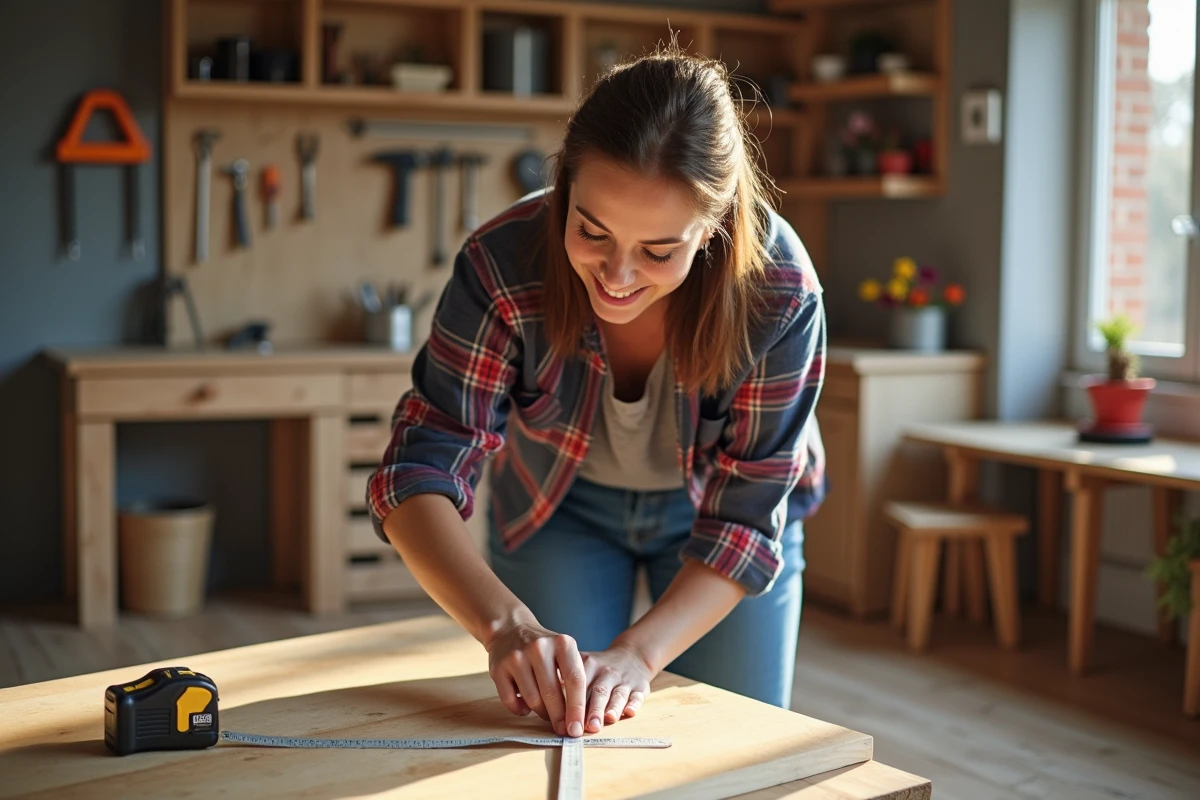
The majority of mistakes in a DIY project occur during the preparation phase, long before the tools are used. A simple oversight or the use of an unsuitable material can compromise the entire outcome, regardless of experience level.
Some traditional methods persist despite the emergence of more effective and accessible solutions. The most reliable tips are often absent from standard manuals, even though they help avoid common pitfalls and save valuable time.
Why starting DIY at home changes the game, even for beginners
Cutting, assembling, repairing, transforming: DIY is no longer limited to a few enthusiasts. Now, anyone can give it a try without facing insurmountable barriers. Improving your home becomes a concrete endeavor, tailored to your desires and means. Taking matters into your own hands also means maintaining control over your living environment and finances. DIY, whether it concerns decor, organization, or gardening, offers the freedom to personalize your space without waiting for outside help.
This autonomy is not built in a day, but every action, no matter how modest, nurtures confidence. The joy of homemade, the ingenuity in the face of obstacles, forges an experience that grows with each project. Initial hesitations fade away when you adopt practical advice and tips that simplify the journey. The impact on the budget should not be overlooked: less spending on labor, optimizing materials, repurposing furniture, or upcycling objects all make sense. It’s hard to do better when combining savings with an ecological approach.
DIY also fosters connections and sharing. Advice is exchanged during workshops, on forums, or through all the tips from L’Atelier du Bricolage that inspire creativity. On World DIY Day, May 24, this collective dynamic becomes palpable, with each project undertaken reinforcing the momentum. Starting DIY transforms domestic routines: every space becomes an opportunity to learn, invent, and create.
What tools and tips really facilitate the first DIY projects
Building a suitable toolbox: the foundation of any project
Starting a project well begins with being equipped. Here are the essential tools to have on hand for DIY at home:
- Screwdriver: for assembling or disassembling in a flash.
- Hammer: essential for fixing, adjusting, or removing hinges.
- Measuring tape and spirit level: ensuring accurate measurements and a straight result.
- Pliers and utility knife: cutting, holding, adjusting, nothing can resist them.
- Drill-driver: saves time for drilling or screwing without unnecessary effort.
Never overlook safety: protective gear is paramount
Safety is non-negotiable. Before starting, always equip yourself with safety glasses, gloves, and a dust mask. These protections limit accidents: splashes, cuts, inhalation of particles during cutting or sanding. Store your tools and maintain them: this is the foundation for avoiding unpleasant surprises.
Community support and tutorials: a progress accelerator
Moving faster also means relying on the experience of others. Tutorials, forums, step-by-step guides: the web is full of resources to discover the right techniques and avoid common traps. Drawing from community advice and following a well-designed tutorial saves time and helps you progress with each new project.
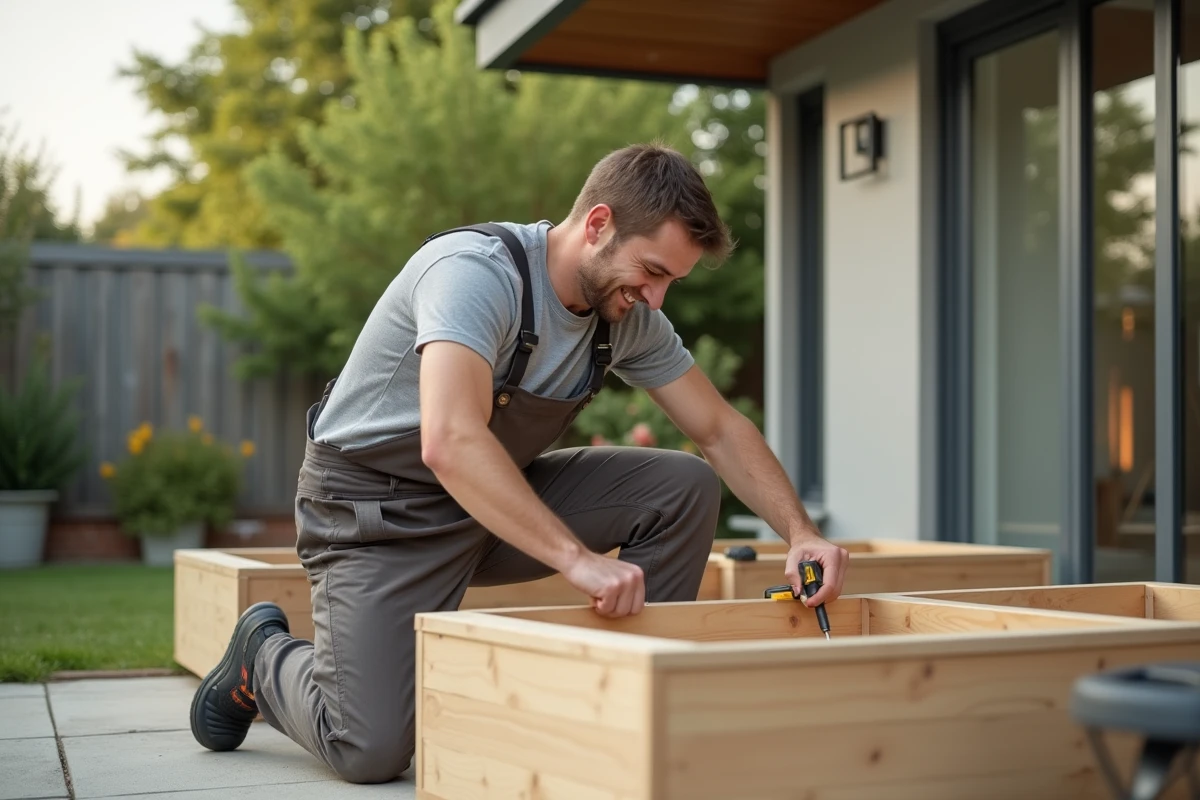
Concrete tips for successfully completing your projects and gaining confidence step by step
Preparation: the first decisive step
Before grabbing the saw, take the time to prepare the ground. Analyze the space, make a list of necessary tools, and protect what needs to be protected. A simple assessment of the site reduces unforeseen issues. A minimum of organization prevents forgetfulness, measurement errors, or unnecessary purchases.
Start with accessible projects
To gain experience without getting discouraged, here are some simple tasks that provide quick satisfaction:
- Installing a shelf, fixing a leak, or refurbishing a wooden piece of furniture: foundational tasks to master essential techniques (drilling, screwing, sanding, filling a hole, painting neatly).
- In woodworking, think of the hand saw, drill-driver, and level for precise creations.
- In plumbing, turn off the water, equip yourself with a wrench, and proceed step by step: changing a washer, tightening a fitting, and confidence builds.
For successful painting, careful preparation of the surface (cleaning, suitable primer), using a quality roller, and respecting drying times make a difference. For organization, glass jars, wooden crates, or floating shelves transform the space without hassle.
Trust reliable resources and shared experiences: each accomplishment, no matter how modest, strengthens confidence and stimulates creativity. Through repeated actions, DIY becomes a playground where every success, from small repairs to complete room transformations, opens new perspectives.