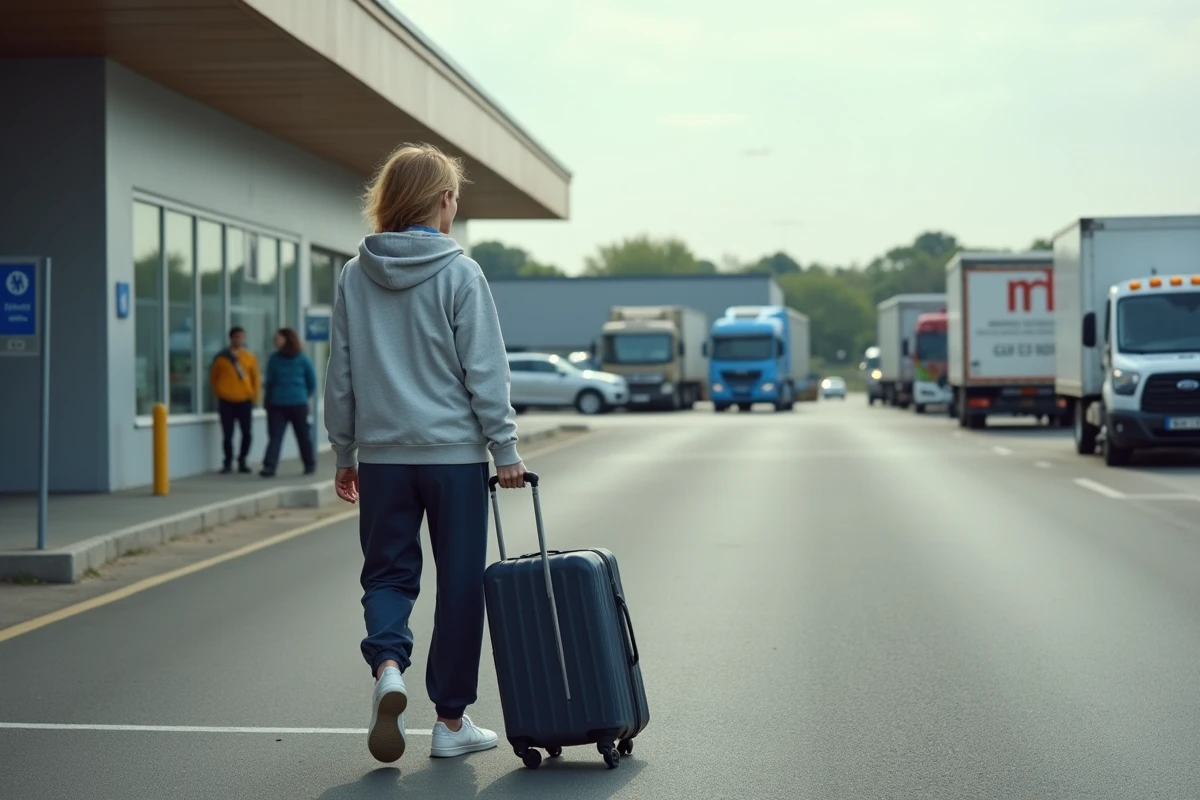
On a journey lasting several hours, fatigue builds up and the need to refresh oneself becomes real. However, finding a shower at a rest area on a highway in France remains a path filled with uncertainties: not all rest areas offer them, prices vary, and the information available online often lacks precision.
Showers on highways in France: an unevenly distributed facility
The service areas managed by major concessionaires (Vinci Autoroutes, APRR, Sanef) do not all provide showers. Historically, these facilities targeted professional truck drivers, not passing motorists. Therefore, the coverage of the network remains patchy, especially on highways with low truck traffic.
To know in advance where to shower on your route, the most reliable approach is to check the concessionaires’ websites before departure. Vinci Autoroutes, for example, publishes a list of areas equipped with showers, categorized by highway (A10, A11, A20, A28, among others). APRR also updates its information on available services by area.
If you are preparing for a long trip and looking for a shower at a highway rest area, these platforms allow you to plan your breaks with a minimum of certainty.
Feedback from truck drivers indicates a preference for TotalEnergies stations on the French highway network, due to a perceived higher level of cleanliness. However, the queues at these same stations have lengthened since 2024, a sign that demand exceeds supply on certain routes.
Prices and access conditions for service area showers
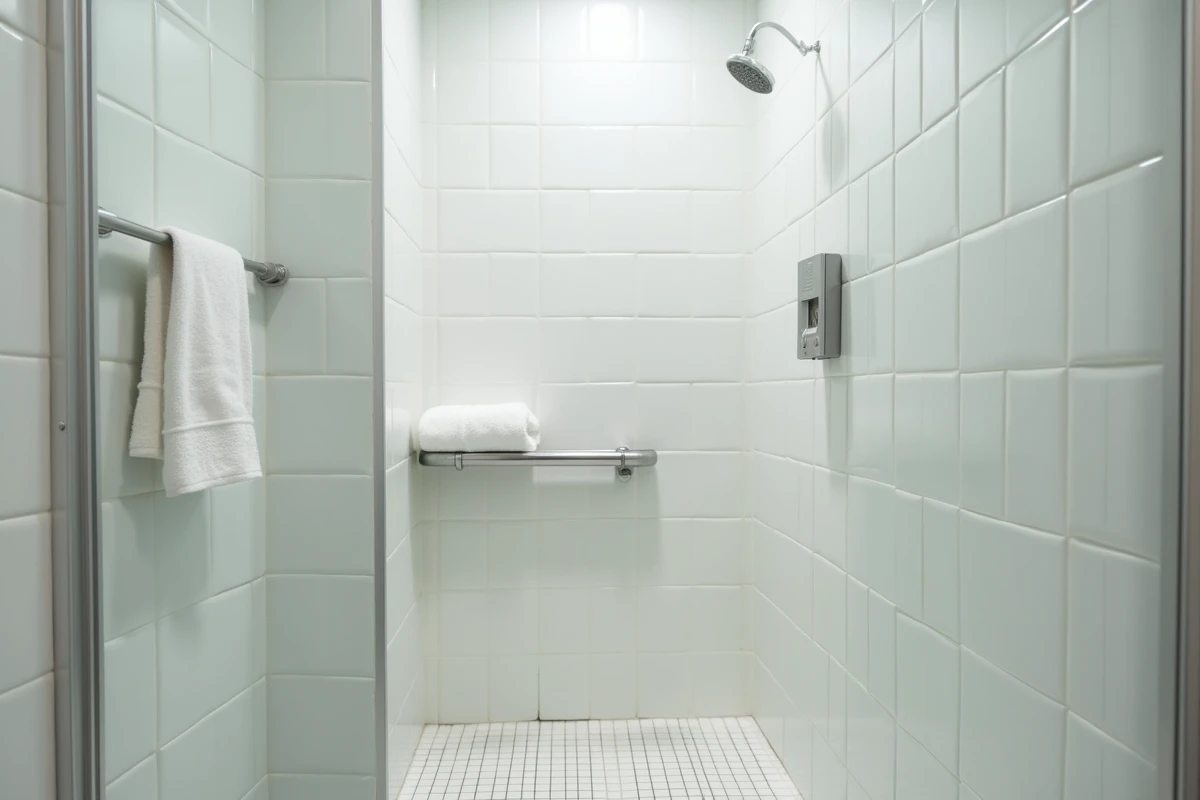
The price of a shower at a highway rest area varies depending on the concessionaire and the station. Some are free for truck drivers but charge individuals. Others apply a flat rate. The lack of a standardized pricing grid complicates comparisons.
A decree published in November 2025 mandates the installation of free or capped-price showers at 30% of rest areas starting in 2026. This text (decree n°2025-847 of November 12, 2025, Official Journal of November 13, 2025) modifies the Highway Code to enhance hygiene on long journeys. Its concrete effects on the ground remain to be observed in the coming months.
The available data does not yet allow us to say which areas will be prioritized, nor whether the concessionaires will opt for free access or capping. Feedback from the field varies on this point: some area managers anticipate quick work, while others mention longer timelines.
What the German network offers in comparison
As a benchmark, the German rest areas referenced by the ADAC offer more showers per kilometer of highway than the French network, according to the ADAC report “Highway Services 2025” from February 2026. Germany is also investing in facilities with unlimited hot water, a feature almost absent in France. This difference illustrates a structural lag on the French side that the 2025 decree will only partially address.
Zero-water alternatives for areas without showers
The majority of rest areas (to be distinguished from service areas) only have toilets and sometimes picnic tables. No showers, no accessible water point for washing. It is at these stops that alternative hygiene strategies make the most sense, especially in the context of an eco-responsible road trip.
- Dry soaps and biodegradable wipes: solid, rinse-free soaps developed for hiking and camping allow for body and hand cleaning without consuming water. Their compact format makes them easy to slip into a travel bag.
- Dry shampoo powder: applied to the roots, it absorbs oil and gives hair a clean appearance without using a drop of water. A useful product when the next shower is hundreds of kilometers away.
- Pre-moistened wash gloves: originally designed for the hospital sector, these individual gloves allow for quick upper body washing. They generate little waste if you choose compostable versions.
- Rechargeable misting spray: filled before departure, it provides immediate refreshment in summer and complements the use of dry soap for minimal rinsing of the face and arms.
These alternatives do not replace a real shower, but they cover essential needs on a journey of eight to twelve hours when no equipped area is found along the route.

Planning shower breaks on a long highway journey
The most effective reflex remains preparation in advance. Before leaving, identify the equipped service areas on your route via the concessionaires’ websites. Note at least two to keep a margin in case the first is closed for maintenance or overcrowded.
Navigation apps like Waze or Google Maps do not systematically indicate the presence of showers at the rest areas. This missing information requires cross-referencing sources: concessionaire website, truck driver forums, feedback from vanlife communities. Apps dedicated to RV users (such as Park4Night) sometimes list these facilities, but their reliability depends on user contributions.
Combining service areas and nomadic solutions
For a multi-day road trip, alternating between service area showers and zero-water hygiene constitutes a realistic compromise. Municipal campgrounds, open in season, also offer showers accessible for a few euros, even without staying there. Public swimming pools located near highway exits provide another option, provided you are willing to take a detour.
The goal is not to find a shower at every stop, but to integrate one every six to eight hours of driving to maintain sufficient comfort. The rest of the time, nomadic hygiene products take over.
The 2025 decree should gradually improve the situation on the French network, but its full implementation will take time. Until then, the combination of prior scouting, waterless alternatives, and flexibility on the route remains the most reliable strategy to stay clean on the road.