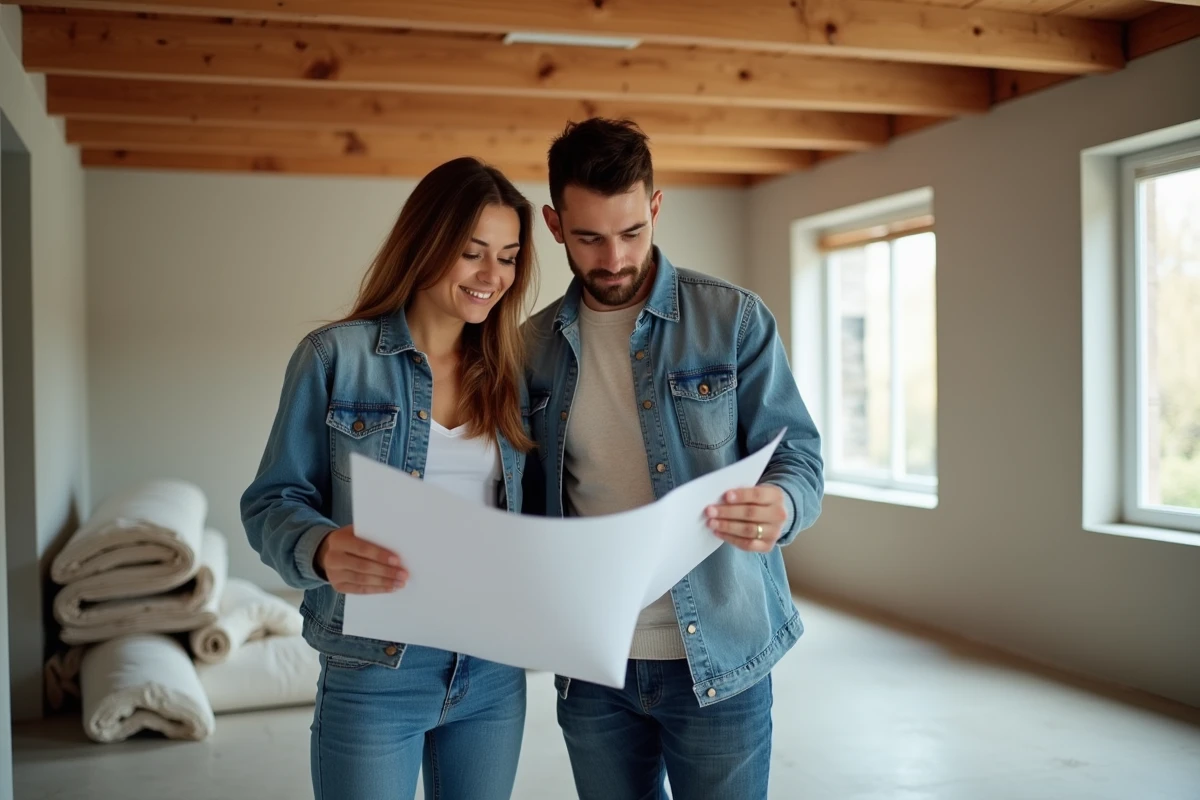
Obtaining a building permit for a new house requires, on average, twice as much administrative work as a major renovation request. However, some tax incentives encourage the transformation of existing buildings more strongly than the construction of new housing, even in areas where construction is considered a priority.
The choice between building and renovating is not based solely on technical or budgetary criteria. Regulations, energy performance, and material developments impose complex trade-offs, often unknown at the time of commitment.
Building or renovating: what are the stakes for a custom and sustainable habitat?
Building your own house offers a rare freedom: the ability to design every corner according to your desires, to orient rooms to capture light, and to integrate environmentally friendly materials from the start. The choice of land, the selection of bio-sourced materials, and the ability to meet the most stringent energy standards all contribute to shaping a space in your image. But behind this promise, the reality is more nuanced. Each project is embedded in a dense regulatory framework and must take into account the history of a territory, its landscape, and its resources. Building also means engaging with what already exists and participating in a collective dynamic.
Renovating a building is a different adventure. It involves preserving a heritage, continuing a story while addressing current challenges: effective insulation, appropriate ventilation, modern comfort. Each construction site is unique, and every wall holds its surprises. Reinterpreting the existing requires expertise, flexibility, and a good dose of creativity. It often requires balancing the demands of the past with those of the present, adjusting methods, and dealing with the unexpected.
Between these two paths, the decision hinges on several criteria: architectural quality, ecological impact, overall cost, timeline, but also the ability to envision the future evolution of family or professional life. Gathering information on the essential steps, from submitting the building permit to the final acceptance of the work, remains a crucial step. On Concept Habitat, you will find files that analyze trends, question practices, and explore intermediate solutions at the intersection of new construction and ambitious renovation.
Here are a few points to keep in mind when embarking on a custom habitat project:
- Imagining a custom house requires combining creativity with respect for current regulations.
- The success of a construction project depends on mastering technical and administrative constraints, from the first shovel to the handover of keys.
- The sustainability of a habitat is influenced as much by initial choices as by the ability to adapt the housing to future uses.
Advantages, limitations, and environmental impacts of both options
Building your own home promises a living environment designed from A to Z. You can adjust insulation, optimize natural light, and choose every detail to meet daily needs. This flexibility comes at a cost: starting from a bare plot means bearing the full burden of procedures, often a significant investment, and sometimes lengthy delays, especially if administrative or technical setbacks arise.
In contrast, renovating means taking advantage of an existing structure, working with its qualities and constraints. The initial cost may seem more affordable, but one must remain vigilant: surprises during construction, hidden defects, structural repairs, and energy adaptations can increase the bill. A precise diagnosis in advance allows for anticipating necessary work, whether it involves reinforcing the structure, improving energy performance, or addressing health issues.
The environmental consequences differ depending on the chosen option. New construction, even when aiming for energy performance, consumes more resources and generates a more significant carbon footprint during the construction phase. In contrast, renovation values existing resources, limits urban sprawl, and reduces waste production. Considering the future of buildings also means weighing these criteria against one’s convictions, supported by appropriate advice to move forward wisely.
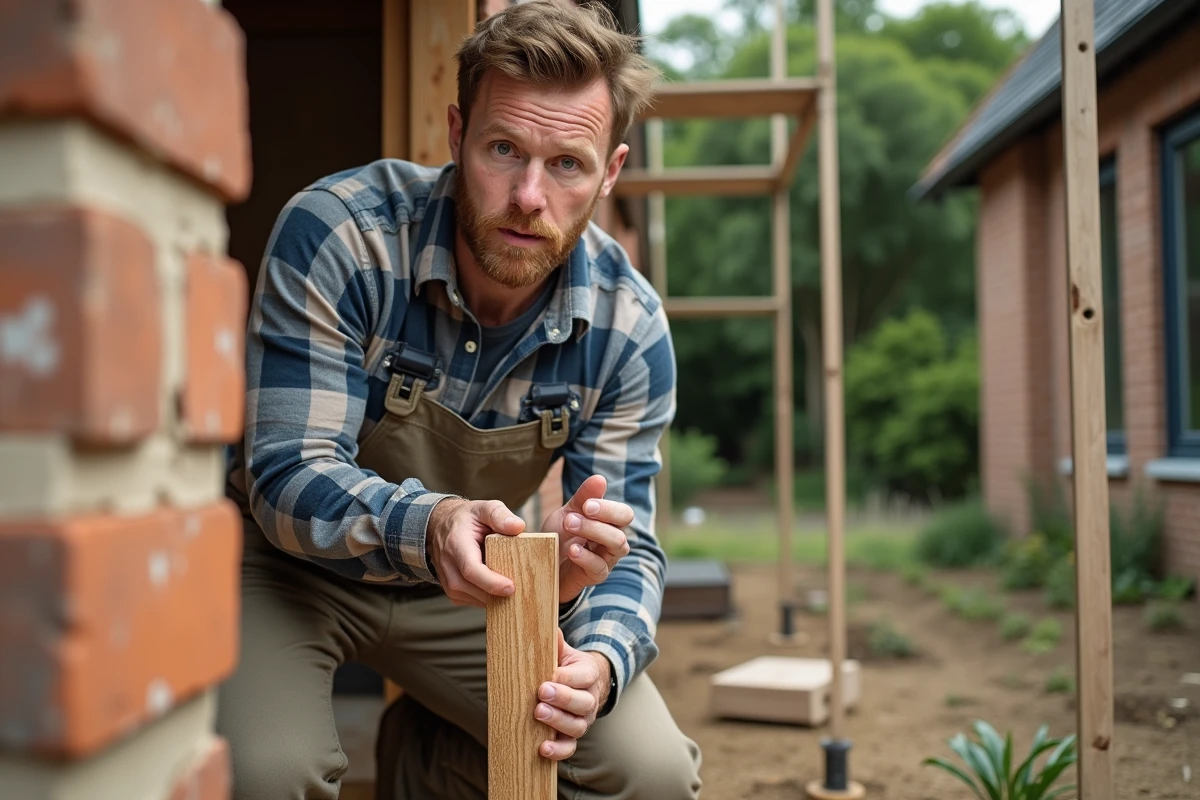
How to choose the solution that best fits your needs, budget, and values?
Assessing your priorities
The decision between building and renovating is not made lightly. It relies on a thorough analysis of expectations, context, and constraints. For a custom project, it is essential to identify daily needs, household composition, and future developments. Some may prefer the flexibility of a new house, while others may wish to give a second life to a historically rich building.
Here are some criteria to review before getting started:
- Budget: anticipate all expenses, including ancillary costs such as construction insurance, taxes, professional fees, and managing unforeseen construction issues.
- Timelines: construction often involves a longer timeline than renovation but offers total control over technical choices.
- Values: energy performance, the use of local materials (such as wood or wood framing), or the preservation of existing heritage can guide the decision.
Support and guarantees
Surrounding yourself with competent professionals remains a valuable safety net. Architects, project managers, specialized craftsmen: each participant brings their expertise, ensures compliance with specifications, and guarantees the conformity of the project. To avoid unpleasant surprises, ten-year and construction damage insurance cover major risks. In France, these protections are mandatory whenever work affects the structural integrity of the building, whether aiming for a turnkey house or an ambitious rehabilitation.
The choice of land, obtaining favorable financing, selecting reliable teams: each step shapes the success of the project. Prioritizing transparency in estimates, clarity in communications, and the solidity of commitments remains the best compass.
Whether to build or renovate, each option represents a unique adventure. The real challenge is to make this project a story to live, aligned with one’s values and designed to last. The final word always belongs to those who, behind the plans and figures, are already imagining the life that will unfold there.